It All Begins Here
-
 • 9/23/26
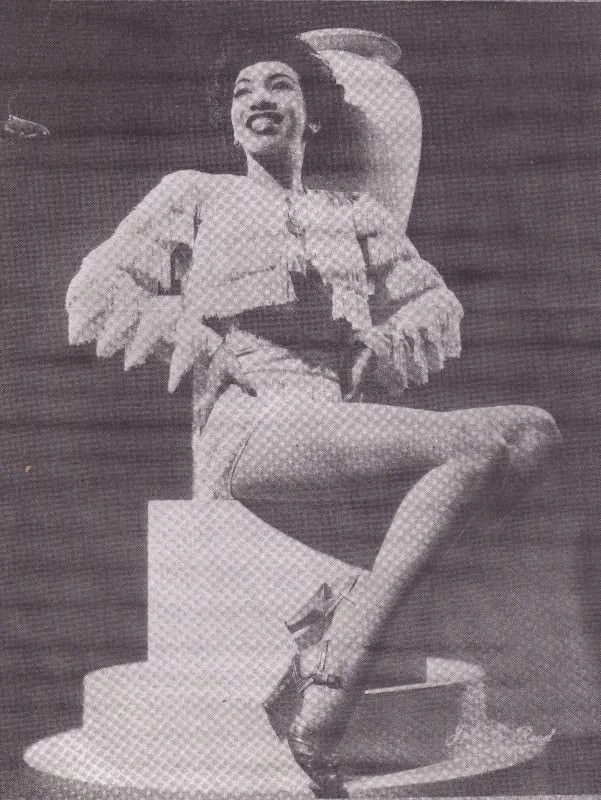
Tranky Doo part 2 - Love in syncopation inspiration
In this video, we’ll work on the second part of the classic Tranky Doo, one of the well-known solo jazz routines from the Lindy Hop tradition.
For this version, I’m particularly inspired by the 1946 short film Love in Syncopation, featuring Thomas “Tops” Lee and Wilda Crawford. Both were members of Whitey’s Lindy Hoppers.
Love in Syncopation clip is especially interesting because is considered the oldest known footage of the classic Tranky Doo.
And if you already know the Tranky Doo, definitely check this version out! There are some rhythm changes and ideas that you can play with and bring into your own dancing.
Focus: Tranky Doo · Rhythm · Individuality
Inspiration: Thomas “Tops” Lee & Wilda Crawford
Source: Love in Syncopation (1946)
Level: All levelsWatch the original clip:
https://www.youtube.com/watch?v=Cu9PusFHnHw -
 • 9/23/26
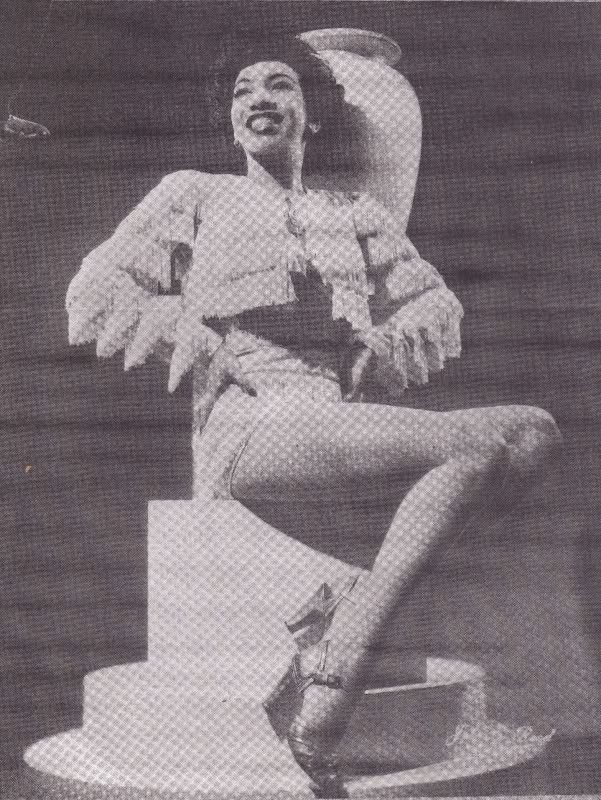
Daisy Richardson inspiration 1946
In this video, we’ll study some movements inspired by Daisy Richardson, looking at footage from the 1940s. Richardson appears in the 1946 film Jivin’ in Be-Bop, a variety film featuring Dizzy Gillespie and his orchestra, alongside several dancers.
I love this footage especially her coolness.
We’ll break down some of her movements and explore how to keep the rhythm while playing with the upper body.
Focus: Rhythm · Upper Body · Control · Coolness
Inspiration: Daisy Richardson — 1946 footage
Level: All levels
Video inspiration: https://youtu.be/JE2AUn_kvMY?is=6do0h6qbbgL9g7yX -
 • 9/18/26
Routine practice
This time, we’ll put some moves together into a small routine to practice moves from bebop dancers in Spirits of Moves. It’s uptempo, but it feels good, and it’s a fun way to work on the rhythm and flow of the movements.
Focus: Rhythm · Coordination · Flow · Practice
Level: All levels -
Bebop - Scooby Stroman & Thomas King inspiration
In this video, we’ll explore some movements inspired by Scooby Stroman and Thomas King, two dancers featured in Spirits of Moves, particularly in the Bebop and Apple Jack sections.
I love watching these clips because they give us a glimpse into the way dancers were playing with rhythm, movement, and individuality. There are so many small ideas and details that can become inspiration for your own improvisation.
We’ll work with some of the movements and ideas from these dancers and explore how you can use them as a starting point for your own Bebop improvisation.
Don’t worry about reproducing everything exactly: take the movement, play with the rhythm, change it, and find your own way of using it.
Focus: Bebop · Individuality · Vernacular Jazz
Inspiration: Scooby Stroman & Thomas King
Level: All levelsVideo Inspiration
https://youtu.be/UArYXUlPFdo?is=chL7dahePmme1xFr -
 • 9/9/26
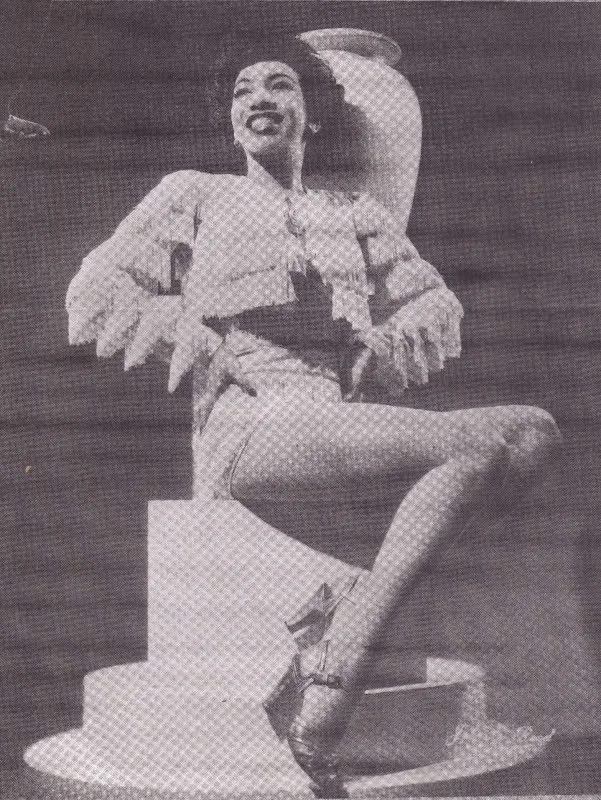
Josephine Baker inspired vernacular moves
Josephine Baker was an African American dancer, singer, and entertainer who became an international star in France during the 1920s. She was known for her incredible stage presence, musicality, rhythm, and unique way of using her whole body. Her dancing was playful, powerful, and full of personality, and she became one of the most iconic performers.
We’ll explore four movements inspired by her dancing:
Basic Charleston
Squat Charleston
Fish Tail
Spank the Baby
What I love about Josephine’s dancing is how rhythmic and full of energy her movements are. She plays with her whole body and makes even simple movements feel incredibly alive.
So get ready to move: I recommend doing a torso or hip warm-up first, because we’re going to need those muscles awake.
Focus: Rhythm · Full-body movement · Expression · Vernacular Jazz
Inspiration: Josephine Baker
Level: All levelsInspiration
Josephine Baker — Video 1
https://www.youtube.com/watch?v=NBGXsQfGY4M&t=5sJosephine Baker — Video 2
https://www.youtube.com/watch?v=UhEhK4bgYtI&list=RDUhEhK4bgYtI&start_radio=1 -
 • 9/9/26
Hips Warm up
Here’s a short warm-up focused on the hips.
We’ll work with hip circles, stretches, and shakes, waking up the hips and getting the muscles ready to move.
A simple practice to warm up, release tension, and explore different ways of moving through the hips. Shake it, loosen up, and feel it
Focus: Warm-up · Hips · Circles · Stretching · Shaking · Mobility
Level: All levels -
 • 9/9/26
Upper body warm up
Here’s a short warm-up focused on the upper body.
We’ll work with the shoulders, arms, chest, and torso, waking up the upper body and getting the muscles ready to move.
A simple practice to warm up, build awareness, and work on strength, coordination, and mobility through different movements.
Focus: Warm-up · Upper body · Shoulders · Arms · Chest · Torso
Level: All levels -
 • 9/9/26
Tranky Doo part 1— Inspired by Love in Syncopation
In this video, we’ll work on the first part of the classic Tranky Doo, one of the well-known solo jazz routines from the Lindy Hop tradition.
For this version, I’m particularly inspired by the 1946 short film Love in Syncopation, featuring Thomas “Tops” Lee and Wilda Crawford. Both were members of Whitey’s Lindy Hoppers.
Love in Syncopation clip is especially interesting because is considered the oldest known footage of the classic Tranky Doo.
And if you already know the Tranky Doo, definitely check this version out! There are some rhythm changes and ideas that you can play with and bring into your own dancing.
Focus: Tranky Doo · Rhythm · Individuality
Inspiration: Thomas “Tops” Lee & Wilda Crawford
Source: Love in Syncopation (1946)
Level: All levelsWatch the original clip:
https://www.youtube.com/watch?v=Cu9PusFHnHw -
 • 8/24/26
Charleston transitions inspire in Mable Lee, Horstense Allen and Rhythm Mad
In this video, we’ll explore three different Charleston transitions, each inspired by a different Soundie.
I love looking at Soundies that show connections between different vernacular jazz movements—connections that might not be as common or popular in the way we dance today. They’re a great way to discover movement vocabulary.
Focus: Charleston · Transitions · Rhythm ·
Level: All levelsInspiration
Soundie 1 — Charleston → Tic Tocs
https://youtu.be/S6F071yJOrs?is=pfkNnoGQZxF5mD-OSoundie 2 — Charleston → Full Break → Boogie Drop
https://youtu.be/USJoBzxyr2Q?is=YsBwE62WLW55Z_OjSoundie 3 — Charleston → Suzy Q
https://youtu.be/veYAOpHRTcw?is=4Thfc_BrJGQVYyp8 -
 • 8/24/26
Jump charleston - inspiration Al Minns and Block Party Revel Soundie
In this video, we’ll work on the classic Jump Charleston move, taking inspiration from Al Minns and Ann in the Block Party Rebel Soundie (1943).
We’ll explore how the movement can begin from different parts of the body—either from the hips or from the upper body—and how each initiation changes the quality and expression of the movement.
Focus: Jump Charleston · Body Initiation · Hips · Upper Body · Rhythm · Vernacular Jazz
Level: All levelsInspiration
Al Minns
Block Party Rebel Soundie
-
 • 8/19/26
The Musical Madcaps - Rhythm Mad - SOUNDIE (October 29, 1943)
I love this Soundie and couldn’t resist taking some inspiration from it.
The choreography uses simple vernacular jazz movements, like Fall of the Log, Susy Q, Cross step, Rocks and Charleston, but I really love the way the dancers approach them with a strong focus on the hips and the vibe in her upper body.
It’s short, but there are some really cool transitions between the movements, and that’s one of the things that caught my attention. It’s a great example of how simple steps can become so interesting through rhythm, body movement, and the way you connect one movement to the next.
I hope you enjoy it as much as I do!
Focus: Rhythm · Hips · Transitions · Vernacular Jazz
Level: All levelsWatch the original Soundie:
https://www.youtube.com/watch?v=veYAOpHRTcwAll of this was filmed at the beautiful Kmita dance studios in Kraków
-
 • 8/19/26
Stomps, where is the movement coming from?
Átomos is a vernacular jazz step with many possibilities.
Lets check the rhythm of the step.
Then, we’ll explore the Stomps from different parts of the body: the hips, the waist, and the upper body.
The same rhythm can feel completely different depending on where you initiate the movement. This is a simple way to explore flavour, intention, and individuality within the step.
Focus: Rhythm · Body awareness · Hips · Waist · Upper body · Individuality
Level: All levels -
 • 8/18/26
Camel walk, inspired by Marie Bryant
The Camel Walk is a vernacular jazz movement with many possibilities. There isn’t one single way to do it—each dancer can shape it through their own rhythm, body, and personality.
For this video, I’m taking inspiration from Marie Bryant, an extraordinary African American dancer, singer, choreographer, and dance coach who worked with artists such as Duke Ellington and appeared in films including Carolina Blues (1944) and Jammin’ the Blues (1944).
What I particularly love about Bryant is who open, proud and full of rhythms are her movements driven. In the “Mr. Beebe” number from Carolina Blues, her Camel Walk has a particular rhythmic quality that caught my attention and inspired this variation.
Watch Marie Bryant’s original performance and see what you notice before or after practicing:
Watch Marie Bryant in “Mr. Beebe” — Carolina Blues (1944)
Focus: Rhythm · Produness · Texture · Personal expression
Inspiration: Marie Bryant
Level: All levelsAll of this was filmed at the beautiful Kmita dance studios in Kraków.
-
 • 8/18/26
Spank the baby, Marie Bryant inspiration
In this video, we’ll work on the Spank the Baby, a vernacular jazz step with plenty of room for personality, rhythm, and individual interpretation.
For this variation, I’m taking inspiration from Marie Bryant, an extraordinary African American dancer, singer, and choreographer who performed with artists such as Duke Ellington and appeared in films including Carolina Blues (1944) and Jammin’ the Blues (1944). In Carolina Blues, Bryant appears in the “Mr. Beebe” dance number alongside Harold Nicholas and several other remarkable dancers.
What I love about Marie is the flavour she brings to even the simplest movements. The way she plays with rhythm, pride, and hotness makes the movement feel completely alive.
Her version of the Spank the Baby is actually what made this one of my favourite jazz steps.
Don’t just think about getting the shape right—listen to the rhythm, play with the timing, and find your own flavour.
Focus: Rhythm · Pride · Musicality · Personal expression
Inspiration: Marie Bryant
Level: All levelsWatch the original:Mr. Beebe — Carolina Blues (1944)
https://youtu.be/emvtpt-P9ok?si=L7GS80Wdwncdvn3vAll of this was filmed at the beautiful Kmita dance studios in Kraków.
-
 • 8/18/26
Sunday Sinners 1940 inspiration
In this video, we’ll take inspiration from the dancing in Sunday Sinners (1940), a musical film set around Club Harlem, where dancing and nightlife are central to the story.
What caught my attention in this film is the rhythm and individuality in the choreography. I love how every movement feels clear and intentional, while still leaving room for each dancer’s personality to come through.
The choreography is short, consistent, full of rhythm, and so cool. It’s a great reminder that you don’t need a long or complicated combination to create something that feels exciting and alive.
In this class, we’ll learn the choreography while paying attention to the details that make it special: the rhythm, the way the dancers embody the movement, and the individuality they bring to it.
Focus: Rhythm · Individuality · Musicality
Inspiration:Sunday Sinners (1940)
Level: All levelsWatch the original:Sunday Sinners (1940)
https://youtu.be/OW6dX3Vuhfs?si=6t6zEIJwZIoHIM0gAll of this was filmed at the beautiful Kmita dance studios in Kraków.
-
 • 8/18/26
Boogie forward and Rocks foundations
This video focuses on vernacular jazz foundations. We’ll work through the three rhythms of the Boogie Forward and the Rocks, exploring the different ways these fundamental steps can be used in your dancing.
Lets talk about the rhythms, weight changes, and movement so you can understand how they work in your body and start incorporating them into your own vocabulary.
These are simple but important foundations that can give you a lot of possibilities once you start playing with the rhythm and making them your own.
Focus: Rhythm · Weight · Foundations · Musicality
Level: All levelsAll of this was filmed at the beautiful Kmita dance studios in Kraków.
-
 • 8/18/26
Mable Lee Takie Annie
n this video, we’ll explore one of Mable Lee’s signature movements, which I consider to be another version of the Tackie Annie, a classic vernacular jazz step.
Mable Lee (1921–2019) was an American jazz dancer, tap dancer, singer, and entertainer, best known as the “Queen of the Soundies” for her appearances in more than 100 of these short musical films during the 1940s. She began performing as a child, later worked at the Apollo Theater in Harlem, appeared on Broadway, and continued dancing and teaching throughout her life.
What I particularly love about Mable’s approach is how much of the movement comes from the waist and hips. There’s something so distinctive about the way she connects the lower and upper body, creating a movement that feels rhythmic, grounded, and full of personality.
We’ll break down the movement and practice the rhythm, focusing separately on the hips and the upper body, before bringing everything together.
The goal is to understand Mable’s approach while also exploring how you can find your own way into the movement.
Focus: Rhythm · Hips · Upper body · Coordination · Individuality
Inspiration: Mable Lee
Level: All levelsAll of this was filmed at the beautiful Kmita dance studios in Kraków.
-
• 8/17/26
Youtube Playlist inspirations
Here I created a YouTube playlist with some clips that inspire me a lot, I hope you enjoy it!
https://www.youtube.com/watch?v=0EmtHI4RRhg&list=PLSyxFnpPcAqY -
 • 8/18/26
Chicken shack shuffle 2
In this video, we’ll learn the Chicken Shack Shuffle, inspired by the 1943 Soundie featuring Mable Lee, where she is both singing and dancing.
Mable Lee (1921–2019) was an American jazz dancer, tap dancer, singer, and entertainer. She began performing as a child and moved to New York in 1940, where she performed at places including the Apollo Theater. She became known as the “Queen of the Soundies” after appearing in more than 100 of these short musical films during the 1940s. She also performed on Broadway and continued dancing and teaching throughout her life.
I absolutely love this Soundie. Mable’s movements, expression, musicality, and transitions make the whole performance so captivating. There’s so much personality in the way she moves, and every detail feels connected to the music.
This choreography is 100% inspired by Mable Lee. We’ll study her movement and use the choreography as a way to explore her particular style, rhythm, and way of expressing herself.
Pay attention to the transitions, the details, and especially the way Mable uses her waist to start the movements.
Focus: Rhythm · Musicality · Expression · Transitions ·
Inspiration: Mable Lee
Source: Chicken Shack Shuffle — Soundie, 1943
Level: All levelsWatch the original: Chicken Shack Shuffle — Mable Lee (1943)
https://youtu.be/BXQoTgLMysw?si=nJWJr0GYkJNGcMGs -
 • 8/18/26
Chicken shack shuffle part 1
n this video, we’ll learn the Chicken Shack Shuffle, inspired by the 1943 Soundie featuring Mable Lee, where she is both singing and dancing.
Mable Lee (1921–2019) was an American jazz dancer, tap dancer, singer, and entertainer. She began performing as a child and moved to New York in 1940, where she performed at places including the Apollo Theater. She became known as the “Queen of the Soundies” after appearing in more than 100 of these short musical films during the 1940s. She also performed on Broadway and continued dancing and teaching throughout her life.
I absolutely love this Soundie. Mable’s movements, expression, musicality, and transitions make the whole performance so captivating. There’s so much personality in the way she moves, and every detail feels connected to the music.
This choreography is 100% inspired by Mable Lee. We’ll study her movement and use the choreography as a way to explore her particular style, rhythm, and way of expressing herself.
Pay attention to the transitions, the details, and especially the way Mable uses her waist to start the movements.
Focus: Rhythm · Musicality · Expression · Transitions ·
Inspiration: Mable Lee
Source: Chicken Shack Shuffle — Soundie, 1943
Level: All levelsWatch the original: Chicken Shack Shuffle — Mable Lee (1943)
https://youtu.be/BXQoTgLMysw?si=nJWJr0GYkJNGcMGs -
 • 8/15/26
Isolations warm up
Hip isolations, focusing on control, coordination, and rhythm while gradually waking up the body.
It works both as a warm-up and as a muscle isolation practice, helping you become more aware of how different parts of the body can move independently while staying connected to the rhythm. Jazz is full of multiple rhythms at the same time.
Use it at the beginning of your practice to warm up, or come back to it whenever you want to work specifically on hip mobility, control, and rhythmic movement.
Focus: Warm-up · Hip isolations · Muscle control · Rhythm
Level: All levels -
 • 8/14/26
Stretching
A short and sweet vernacular jazz warm-up to get your body moving and ready to dance.
Keep it simple, enjoy the rhythm, and let your body wake up.
Perfect for those days when you want a quick warm-up before getting into your practice.
Focus: Warm-up · Rhythm · Movement
Level: All levels -
 • 8/14/26
Blusy warm up
Another short and sweet warm-up, this time inspired by the feeling and rhythm of Blues music.
Use it to wake up your body, connect with the music, and explore movement through a bluesy groove.
Simple, rhythmic, and perfect to start your practice with a different flavour.
Focus: Warm-up · Blues · Rhythm · Groove
Level: All levels -
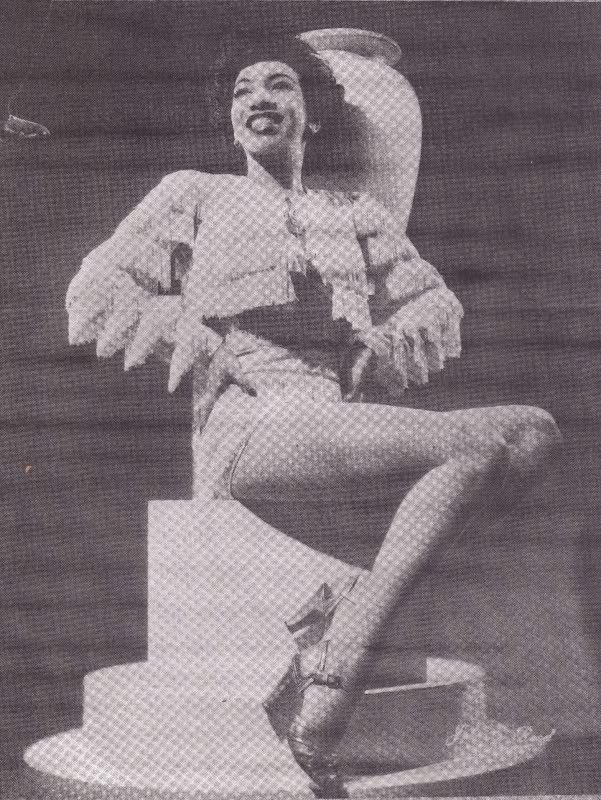
Some Moves from Mable Lee — Beat Me Daddy (1943)
In this video, we’ll explore some of the movements performed by Mable Lee in the 1943 Soundie Beat Me Daddy, featuring pianist and singer Maurice Rocco.
Mable Lee was an incredible jazz and tap dancer, singer, and entertainer, known as the “Queen of the Soundies” for her many appearances in these short musical films during the 1940
In Beat Me Daddy, Mable appears during Rocco’s performance, and even in this short section there is so much to explore: her rhythm, accents transitions, and the way she play with isolations.
In this class, we’ll take some of these movements as inspiration and study the details that make Mable’s dancing so special.
Focus: Rhythm · Expression · Movement quality · Individuality
Inspiration: Mable Lee
Source: Beat Me Daddy — Soundie, 1943
Featuring: Maurice Rocco
Level: All levelsWatch the original: Beat Me, Daddy — Mable Lee & Maurice Rocco (1943)
https://youtu.be/dFU9N0tcNI8?si=s4ZZ-909d2LUzv_G -
 • 8/14/26
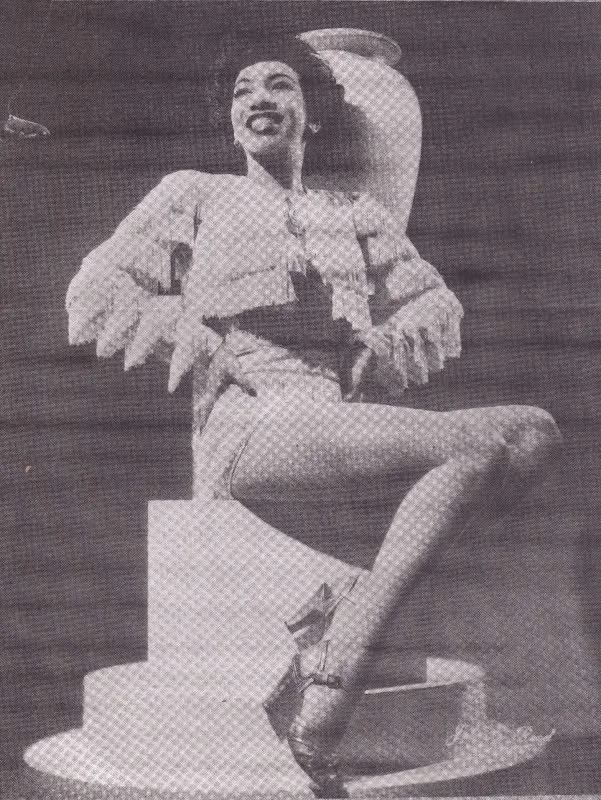
Fall of the log + hitchhiker
In this video, transition between Fall of the Log and Hitchhiker.
Instead of treating them as two separate movements, we’ll look at how one can naturally flow into the other, paying attention to rhythm, hips, and the connection between the movements.
A simple transition to add to your vocabulary and play with in your own dancing and improvisation.
Focus: Transitions · Rhythm · Flow · Improvisation
Level: All levels -
 8/19/26
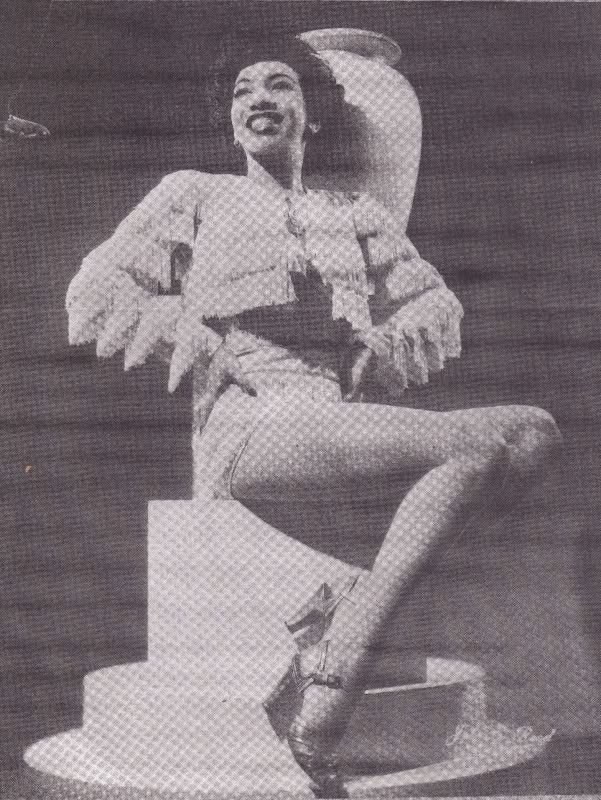
Mini routine, inspired in Leon James charleston
In this video, we’ll explore a mini routine inspired by Leon James’ Charleston, from his appearance with Al Minns on Playboy’s Penthouse.
Leon James was one of the great African American jazz and Lindy Hop dancers of his generation. He was a member of Whitey’s Lindy Hoppers and became especially known for his smooth, rhythmic style and distinctive use of gestures and upper-body movement. He and Al Minns continued performing and demonstrating jazz dances together well into the 1950s and 1960s.
The Playboy’s Penthouse clip is particularly interesting because Leon and Al demonstrate different jazz dances while Marshall Stearns provides historical commentary. In their Charleston section, they show several variations, giving us a glimpse into the vocabulary and individuality of the dance.
For this mini routine, I took inspiration from Leon’s Charleston, his rhythm, his shapes, and the way he connects the movement with his whole body.
Focus: Charleston · Rhythm · Individuality
Inspiration: Leon James
Source: Playboy’s Penthouse — Al Minns & Leon James
Level: All levelsWatch the original:
https://www.youtube.com/watch?v=Hc5iSEVdFGE -
 • 8/13/26
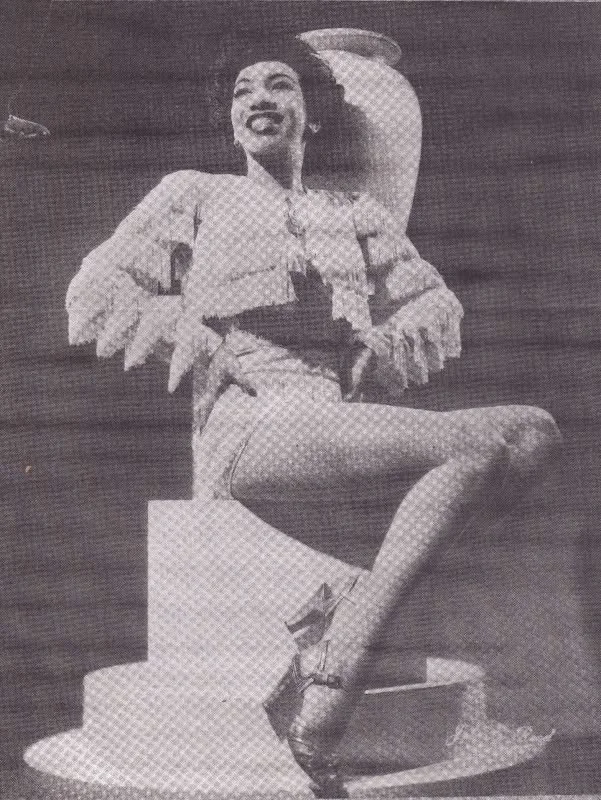
Charleston foundations, where does the movement start?
In this video, we’ll explore the basics of Charleston by looking at where the movement starts in the body.
Does the movement come from the hips, the waist, or the upper body? How does changing that starting point affect the way the Charleston looks and feels?
This is also a tool I personally use when studying old clips. Instead of only looking at what a dancer is doing, try asking: Where is the movement coming from?
Paying attention to this can completely change the quality and intention of a movement. It can also give you different ways to approach the same step and bring more flavour, texture, and individuality into your improvisation.
Use this practice as a way to watch dancers more closely, experiment with your own body, and discover different possibilities within the Charleston.
Focus: Charleston · Body awareness · Movement initiation · Rhythm · Improvisation
Level: All levels -
 • 8/13/26
Warm up with some solo moves
Another short and sweet warm-up, this time focusing on solo jazz movements that start from the upper body.
We’ll explore how the movement can begin from the shoulders, chest, arms, and upper torso, and how that starting point influences the rest of the body.
A simple practice to wake up your body, connect with the rhythm, and explore different ways of initiating movement.
Focus: Warm-up · Upper body · Solo Jazz · Rhythm · Movement initiation
Level: All levels -
 • 8/13/26
Boogie drop foundations, where does the movement start?
In this video, we’ll explore the Boogie Drop by looking at one of the tools we used in the Charleston foundations: where does the movement start?
Does the Boogie Drop come from the hips, the waist, or the upper body? We’ll experiment with each approach and notice how changing the point of initiation can completely change the feeling and flavour of the movement.
This is a great exercise for developing body awareness and individuality. It can help you understand how different dancers create their own version of the same movement, and how you can use these different approaches in your own dancing and improvisation.
Focus: Boogie Drop · Movement initiation · Hips · Waist · Upper body · Individuality
Level: All levels -
 • 8/13/26
Warm up, latin music
A sweet and short warm-up, this time inspired by Latin music and centered around the hips.
We’ll use the rhythm to wake up the body, fall of the log, susy Q and hips orientation.
A simple practice to get warm, connect with the rhythm, and bring some Latin flavour into your dancing.
Focus: Warm-up · Hips · Rhythm · Latin music · Groove
Level: All levels