It All Begins Here
-
 • 9/23/26
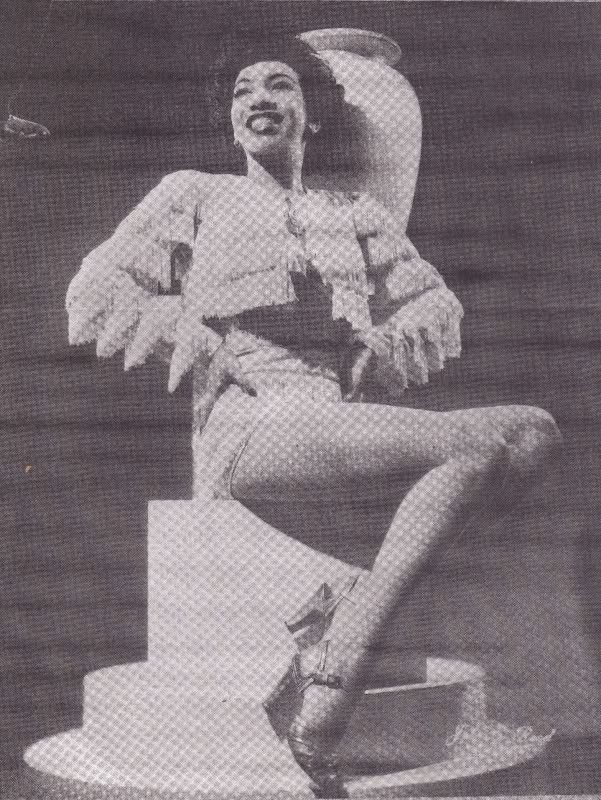
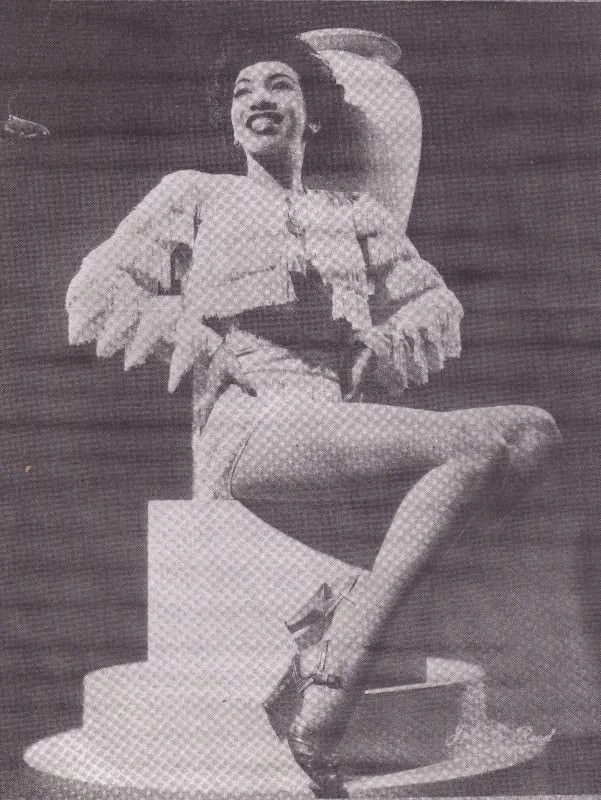
Daisy Richardson inspiration 1946
In this video, we’ll study some movements inspired by Daisy Richardson, looking at footage from the 1940s. Richardson appears in the 1946 film Jivin’ in Be-Bop, a variety film featuring Dizzy Gillespie and his orchestra, alongside several dancers.
I love this footage especially her coolness.
We’ll break down some of her movements and explore how to keep the rhythm while playing with the upper body.
Focus: Rhythm · Upper Body · Control · Coolness
Inspiration: Daisy Richardson — 1946 footage
Level: All levels
Video inspiration: https://youtu.be/JE2AUn_kvMY?is=6do0h6qbbgL9g7yX -
 • 9/23/26
Tranky Doo part 2 - Love in syncopation inspiration
In this video, we’ll work on the second part of the classic Tranky Doo, one of the well-known solo jazz routines from the Lindy Hop tradition.
For this version, I’m particularly inspired by the 1946 short film Love in Syncopation, featuring Thomas “Tops” Lee and Wilda Crawford. Both were members of Whitey’s Lindy Hoppers.
Love in Syncopation clip is especially interesting because is considered the oldest known footage of the classic Tranky Doo.
And if you already know the Tranky Doo, definitely check this version out! There are some rhythm changes and ideas that you can play with and bring into your own dancing.
Focus: Tranky Doo · Rhythm · Individuality
Inspiration: Thomas “Tops” Lee & Wilda Crawford
Source: Love in Syncopation (1946)
Level: All levelsWatch the original clip:
https://www.youtube.com/watch?v=Cu9PusFHnHw -
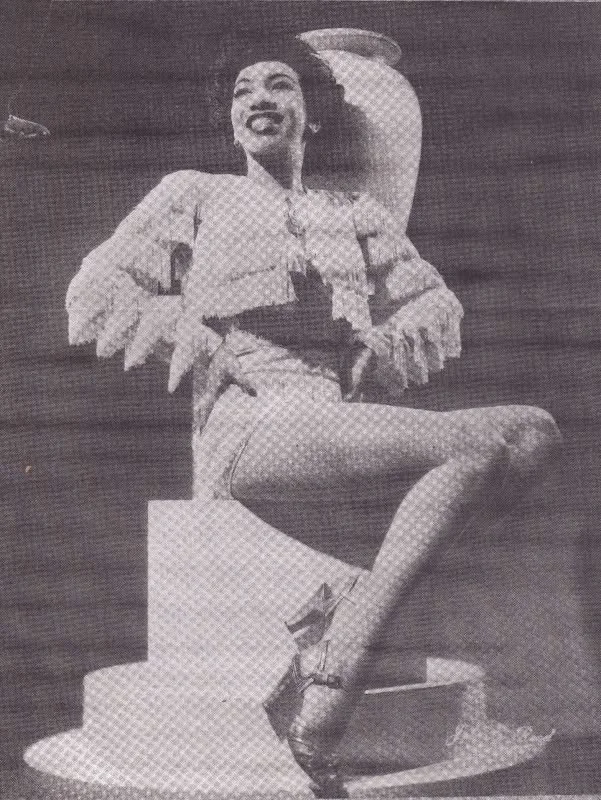
Bebop - Scooby Stroman & Thomas King inspiration
In this video, we’ll explore some movements inspired by Scooby Stroman and Thomas King, two dancers featured in Spirits of Moves, particularly in the Bebop and Apple Jack sections.
I love watching these clips because they give us a glimpse into the way dancers were playing with rhythm, movement, and individuality. There are so many small ideas and details that can become inspiration for your own improvisation.
We’ll work with some of the movements and ideas from these dancers and explore how you can use them as a starting point for your own Bebop improvisation.
Don’t worry about reproducing everything exactly: take the movement, play with the rhythm, change it, and find your own way of using it.
Focus: Bebop · Individuality · Vernacular Jazz
Inspiration: Scooby Stroman & Thomas King
Level: All levelsVideo Inspiration
https://youtu.be/UArYXUlPFdo?is=chL7dahePmme1xFr -
 • 9/9/26
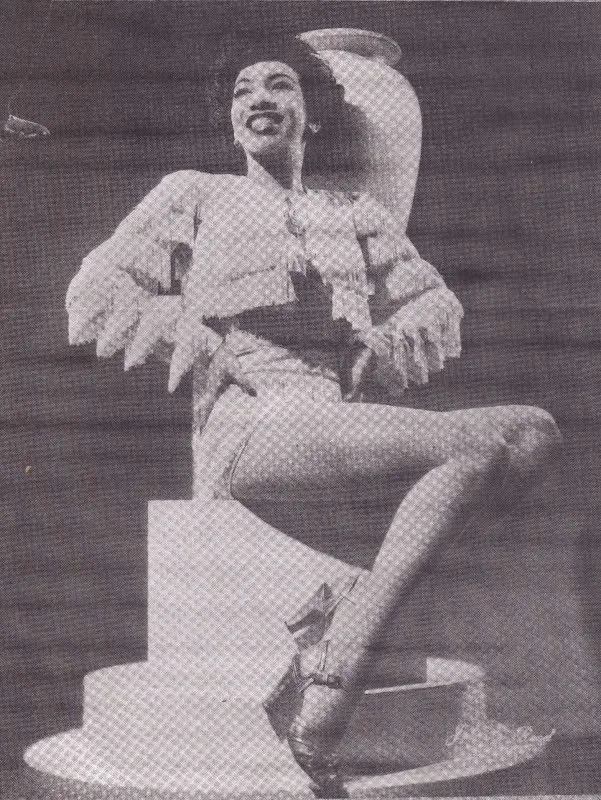
Tranky Doo part 1— Inspired by Love in Syncopation
In this video, we’ll work on the first part of the classic Tranky Doo, one of the well-known solo jazz routines from the Lindy Hop tradition.
For this version, I’m particularly inspired by the 1946 short film Love in Syncopation, featuring Thomas “Tops” Lee and Wilda Crawford. Both were members of Whitey’s Lindy Hoppers.
Love in Syncopation clip is especially interesting because is considered the oldest known footage of the classic Tranky Doo.
And if you already know the Tranky Doo, definitely check this version out! There are some rhythm changes and ideas that you can play with and bring into your own dancing.
Focus: Tranky Doo · Rhythm · Individuality
Inspiration: Thomas “Tops” Lee & Wilda Crawford
Source: Love in Syncopation (1946)
Level: All levelsWatch the original clip:
https://www.youtube.com/watch?v=Cu9PusFHnHw -
 • 8/24/26
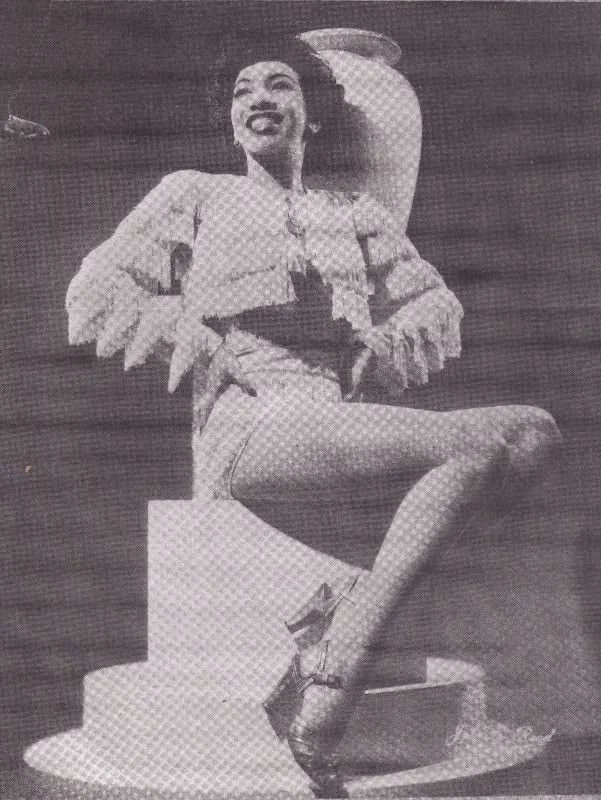
Jump charleston - inspiration Al Minns and Block Party Revel Soundie
In this video, we’ll work on the classic Jump Charleston move, taking inspiration from Al Minns and Ann in the Block Party Rebel Soundie (1943).
We’ll explore how the movement can begin from different parts of the body—either from the hips or from the upper body—and how each initiation changes the quality and expression of the movement.
Focus: Jump Charleston · Body Initiation · Hips · Upper Body · Rhythm · Vernacular Jazz
Level: All levelsInspiration
Al Minns
Block Party Rebel Soundie
-
 • 8/24/26
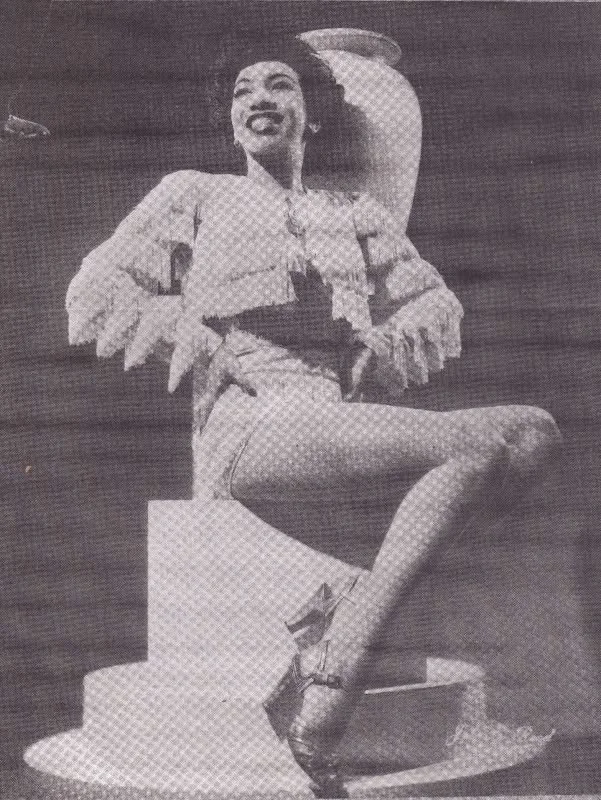
Charleston transitions inspire in Mable Lee, Horstense Allen and Rhythm Mad
In this video, we’ll explore three different Charleston transitions, each inspired by a different Soundie.
I love looking at Soundies that show connections between different vernacular jazz movements—connections that might not be as common or popular in the way we dance today. They’re a great way to discover movement vocabulary.
Focus: Charleston · Transitions · Rhythm ·
Level: All levelsInspiration
Soundie 1 — Charleston → Tic Tocs
https://youtu.be/S6F071yJOrs?is=pfkNnoGQZxF5mD-OSoundie 2 — Charleston → Full Break → Boogie Drop
https://youtu.be/USJoBzxyr2Q?is=YsBwE62WLW55Z_OjSoundie 3 — Charleston → Suzy Q
https://youtu.be/veYAOpHRTcw?is=4Thfc_BrJGQVYyp8 -
 • 8/19/26
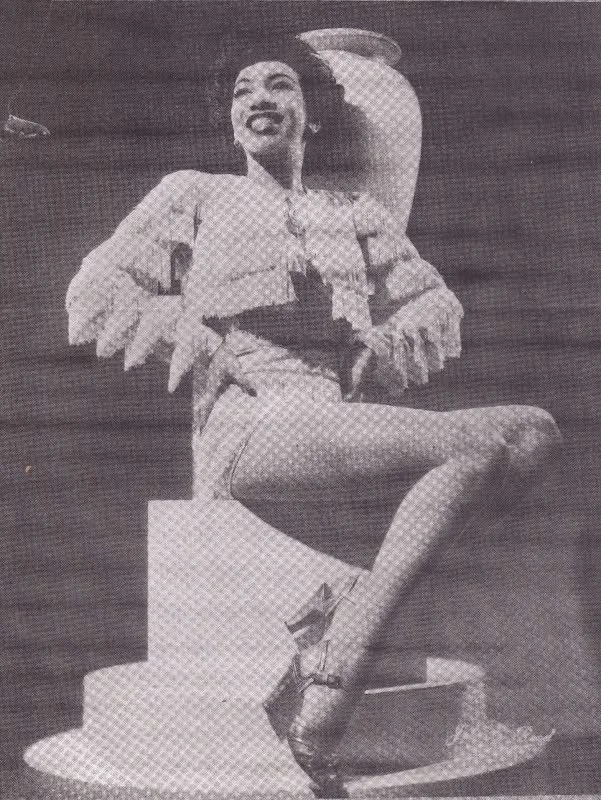
The Musical Madcaps - Rhythm Mad - SOUNDIE (October 29, 1943)
I love this Soundie and couldn’t resist taking some inspiration from it.
The choreography uses simple vernacular jazz movements, like Fall of the Log, Susy Q, Cross step, Rocks and Charleston, but I really love the way the dancers approach them with a strong focus on the hips and the vibe in her upper body.
It’s short, but there are some really cool transitions between the movements, and that’s one of the things that caught my attention. It’s a great example of how simple steps can become so interesting through rhythm, body movement, and the way you connect one movement to the next.
I hope you enjoy it as much as I do!
Focus: Rhythm · Hips · Transitions · Vernacular Jazz
Level: All levelsWatch the original Soundie:
https://www.youtube.com/watch?v=veYAOpHRTcwAll of this was filmed at the beautiful Kmita dance studios in Kraków
-
 • 8/18/26
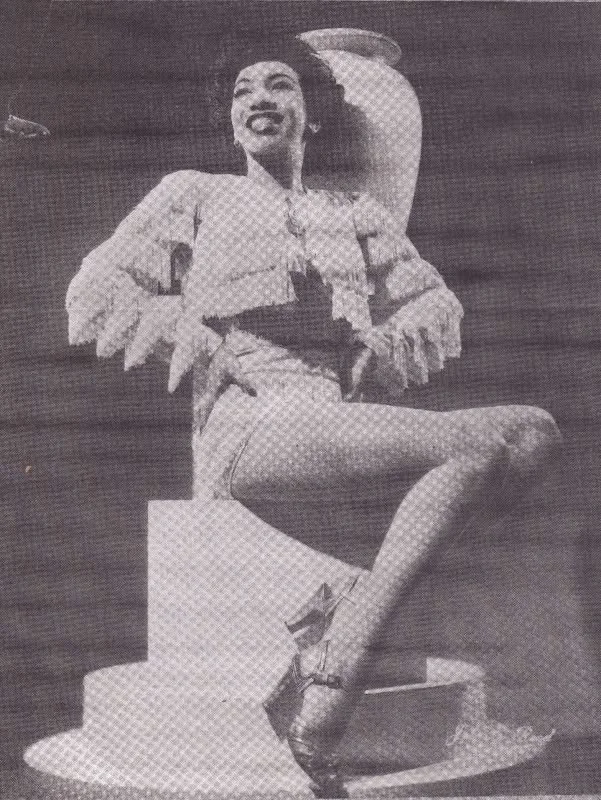
Chicken shack shuffle part 1
n this video, we’ll learn the Chicken Shack Shuffle, inspired by the 1943 Soundie featuring Mable Lee, where she is both singing and dancing.
Mable Lee (1921–2019) was an American jazz dancer, tap dancer, singer, and entertainer. She began performing as a child and moved to New York in 1940, where she performed at places including the Apollo Theater. She became known as the “Queen of the Soundies” after appearing in more than 100 of these short musical films during the 1940s. She also performed on Broadway and continued dancing and teaching throughout her life.
I absolutely love this Soundie. Mable’s movements, expression, musicality, and transitions make the whole performance so captivating. There’s so much personality in the way she moves, and every detail feels connected to the music.
This choreography is 100% inspired by Mable Lee. We’ll study her movement and use the choreography as a way to explore her particular style, rhythm, and way of expressing herself.
Pay attention to the transitions, the details, and especially the way Mable uses her waist to start the movements.
Focus: Rhythm · Musicality · Expression · Transitions ·
Inspiration: Mable Lee
Source: Chicken Shack Shuffle — Soundie, 1943
Level: All levelsWatch the original: Chicken Shack Shuffle — Mable Lee (1943)
https://youtu.be/BXQoTgLMysw?si=nJWJr0GYkJNGcMGs -
 • 8/18/26
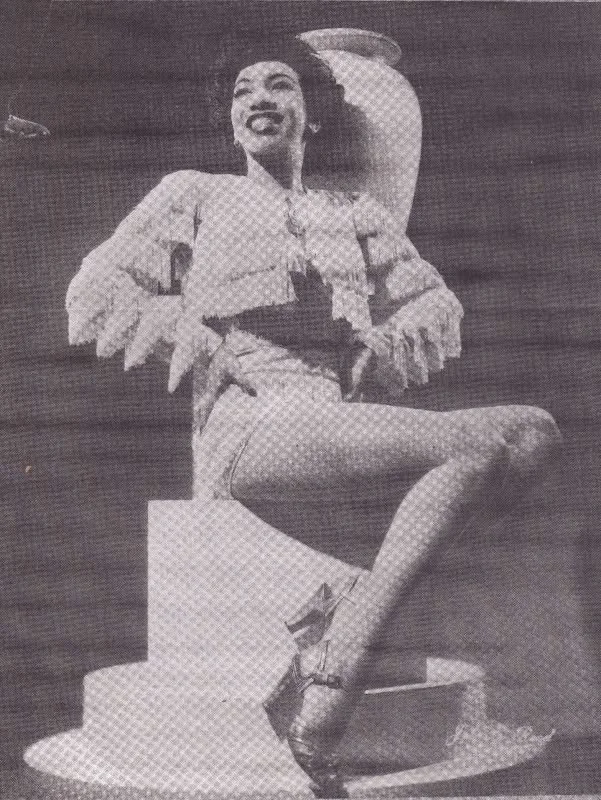
Chicken shack shuffle 2
In this video, we’ll learn the Chicken Shack Shuffle, inspired by the 1943 Soundie featuring Mable Lee, where she is both singing and dancing.
Mable Lee (1921–2019) was an American jazz dancer, tap dancer, singer, and entertainer. She began performing as a child and moved to New York in 1940, where she performed at places including the Apollo Theater. She became known as the “Queen of the Soundies” after appearing in more than 100 of these short musical films during the 1940s. She also performed on Broadway and continued dancing and teaching throughout her life.
I absolutely love this Soundie. Mable’s movements, expression, musicality, and transitions make the whole performance so captivating. There’s so much personality in the way she moves, and every detail feels connected to the music.
This choreography is 100% inspired by Mable Lee. We’ll study her movement and use the choreography as a way to explore her particular style, rhythm, and way of expressing herself.
Pay attention to the transitions, the details, and especially the way Mable uses her waist to start the movements.
Focus: Rhythm · Musicality · Expression · Transitions ·
Inspiration: Mable Lee
Source: Chicken Shack Shuffle — Soundie, 1943
Level: All levelsWatch the original: Chicken Shack Shuffle — Mable Lee (1943)
https://youtu.be/BXQoTgLMysw?si=nJWJr0GYkJNGcMGs -
• 8/17/26
Youtube Playlist inspirations
Here I created a YouTube playlist with some clips that inspire me a lot, I hope you enjoy it!
https://www.youtube.com/watch?v=0EmtHI4RRhg&list=PLSyxFnpPcAqY -
 • 8/18/26
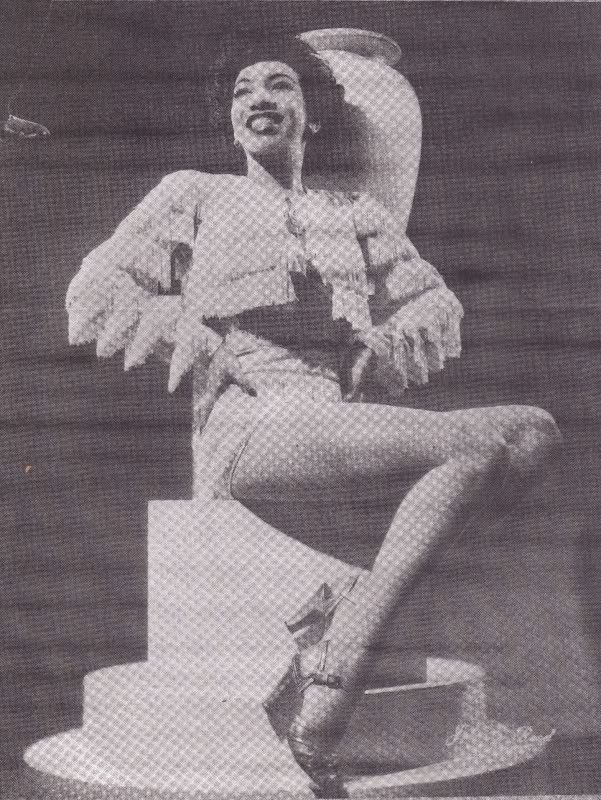
Sunday Sinners 1940 inspiration
In this video, we’ll take inspiration from the dancing in Sunday Sinners (1940), a musical film set around Club Harlem, where dancing and nightlife are central to the story.
What caught my attention in this film is the rhythm and individuality in the choreography. I love how every movement feels clear and intentional, while still leaving room for each dancer’s personality to come through.
The choreography is short, consistent, full of rhythm, and so cool. It’s a great reminder that you don’t need a long or complicated combination to create something that feels exciting and alive.
In this class, we’ll learn the choreography while paying attention to the details that make it special: the rhythm, the way the dancers embody the movement, and the individuality they bring to it.
Focus: Rhythm · Individuality · Musicality
Inspiration:Sunday Sinners (1940)
Level: All levelsWatch the original:Sunday Sinners (1940)
https://youtu.be/OW6dX3Vuhfs?si=6t6zEIJwZIoHIM0gAll of this was filmed at the beautiful Kmita dance studios in Kraków.
-
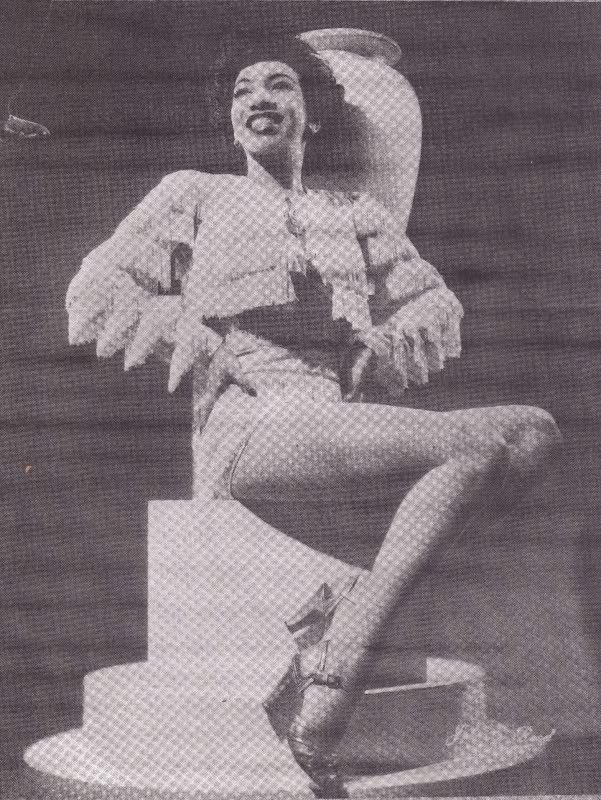
Some Moves from Mable Lee — Beat Me Daddy (1943)
In this video, we’ll explore some of the movements performed by Mable Lee in the 1943 Soundie Beat Me Daddy, featuring pianist and singer Maurice Rocco.
Mable Lee was an incredible jazz and tap dancer, singer, and entertainer, known as the “Queen of the Soundies” for her many appearances in these short musical films during the 1940
In Beat Me Daddy, Mable appears during Rocco’s performance, and even in this short section there is so much to explore: her rhythm, accents transitions, and the way she play with isolations.
In this class, we’ll take some of these movements as inspiration and study the details that make Mable’s dancing so special.
Focus: Rhythm · Expression · Movement quality · Individuality
Inspiration: Mable Lee
Source: Beat Me Daddy — Soundie, 1943
Featuring: Maurice Rocco
Level: All levelsWatch the original: Beat Me, Daddy — Mable Lee & Maurice Rocco (1943)
https://youtu.be/dFU9N0tcNI8?si=s4ZZ-909d2LUzv_G