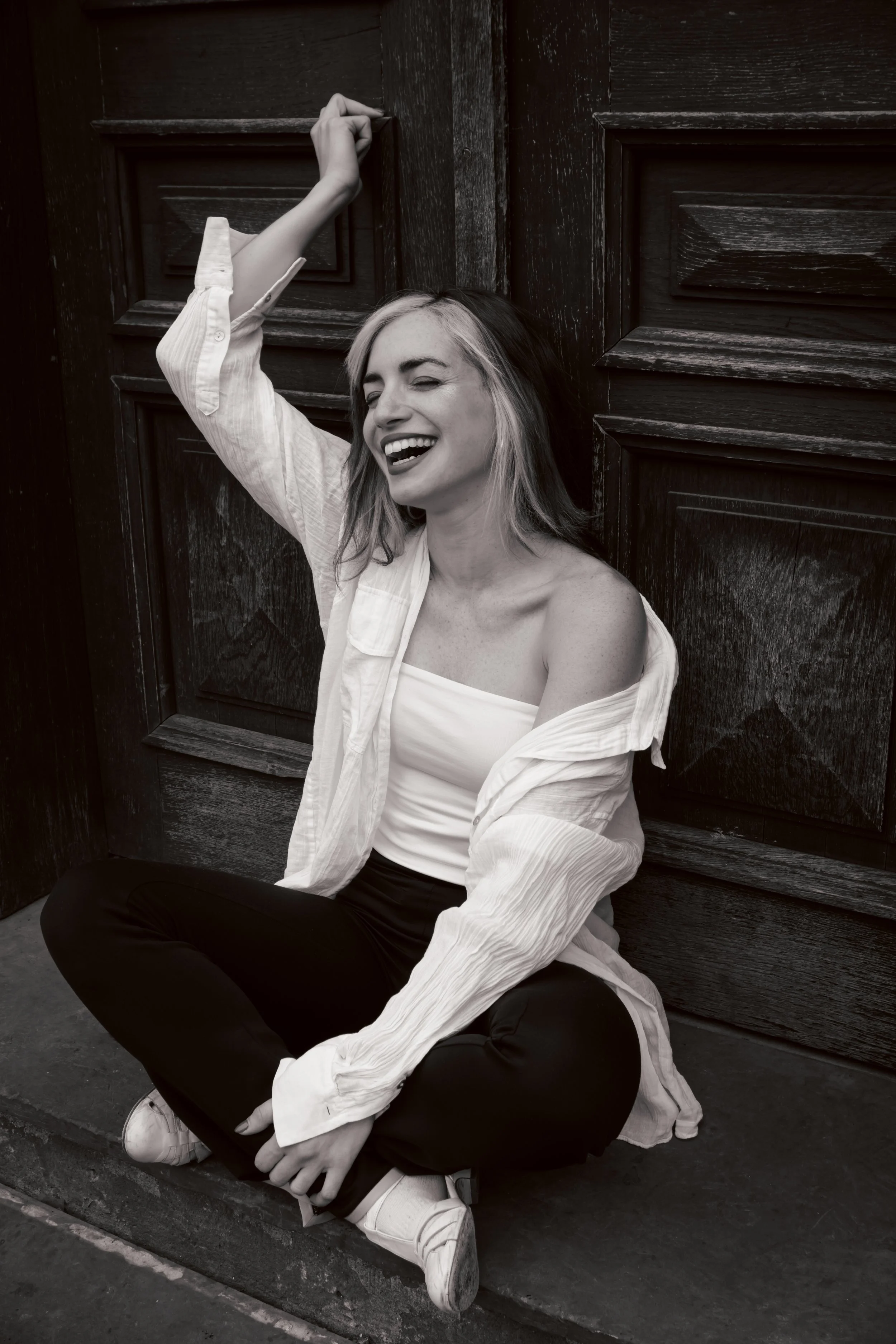
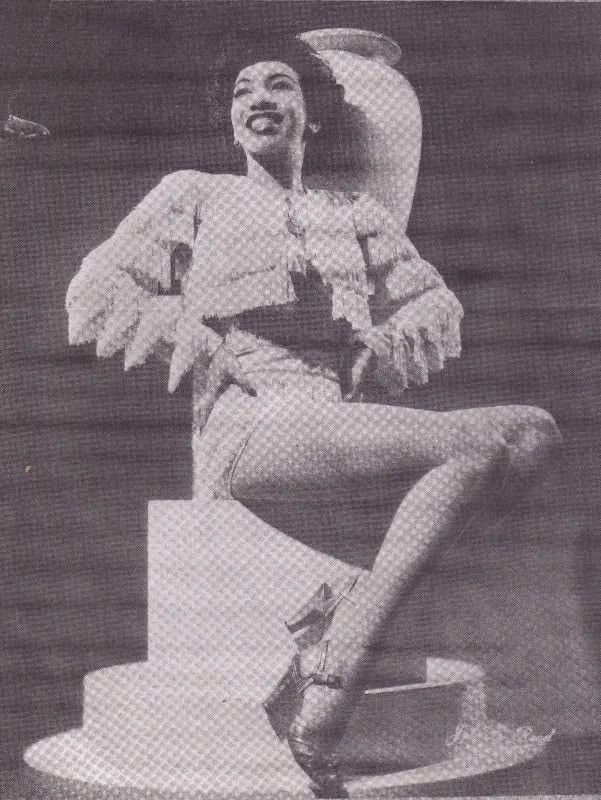
In this video, I’m bringing the idea of taking a classic routine like the Big Apple and exploring how we embody its rhythm, with a special focus on the hips.
The Big Apple originated in the African American dance community in Columbia, South Carolina, and became popular in the late 1930s. It was a social circle dance where a caller would shout out steps for everyone to perform together. Dancers had to listen, react quickly, and bring the movements into the rhythm of the music. It was playful, energetic, and communal, with space for individual expression and moments to shine in the centre of the circle. The tradition is also connected to older African American circle-dance practices, including the ring shout.
For this video, our reference is a different version: The Big Apple Contest, choreographed by Frankie Manning for Whitey’s Lindy Hoppers and performed in the 1939 film Keep Punching. This choreographed routine helped preserve the dance on film and continues to inspire dancers today.
We’ll use this classic routine to explore how the movements. Rather than focusing on reproducing the steps, we’ll work on embodying the movement, finding control, and discovering how the same rhythm can feel different.
Focus: Rhythm · Hip Movement · Embodiment · Control · Musicality
Inspiration: Frankie Manning & Whitey’s Lindy Hoppers — The Big Apple Contest (1939)
Video reference: https://youtu.be/H1K5M5xluZs?si=Kmpa27bcYBcJvjID
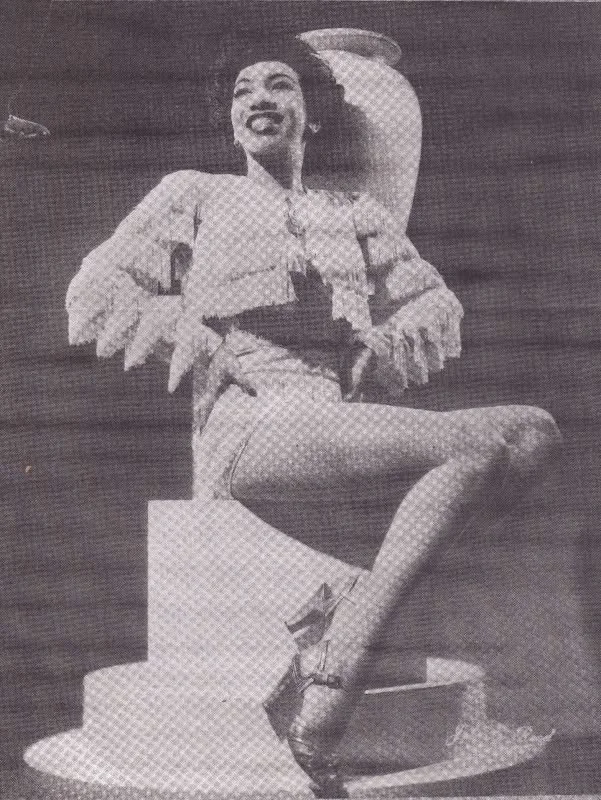
In this video, we’ll work on the second part of the classic Tranky Doo, one of the well-known solo jazz routines from the Lindy Hop tradition.
For this version, I’m particularly inspired by the 1946 short film Love in Syncopation, featuring Thomas “Tops” Lee and Wilda Crawford. Both were members of Whitey’s Lindy Hoppers.
Love in Syncopation clip is especially interesting because is considered the oldest known footage of the classic Tranky Doo.
And if you already know the Tranky Doo, definitely check this version out! There are some rhythm changes and ideas that you can play with and bring into your own dancing.
Focus: Tranky Doo · Rhythm · Individuality
Inspiration: Thomas “Tops” Lee & Wilda Crawford
Source: Love in Syncopation (1946)
Level: All levels
Watch the original clip:
https://www.youtube.com/watch?v=Cu9PusFHnHw
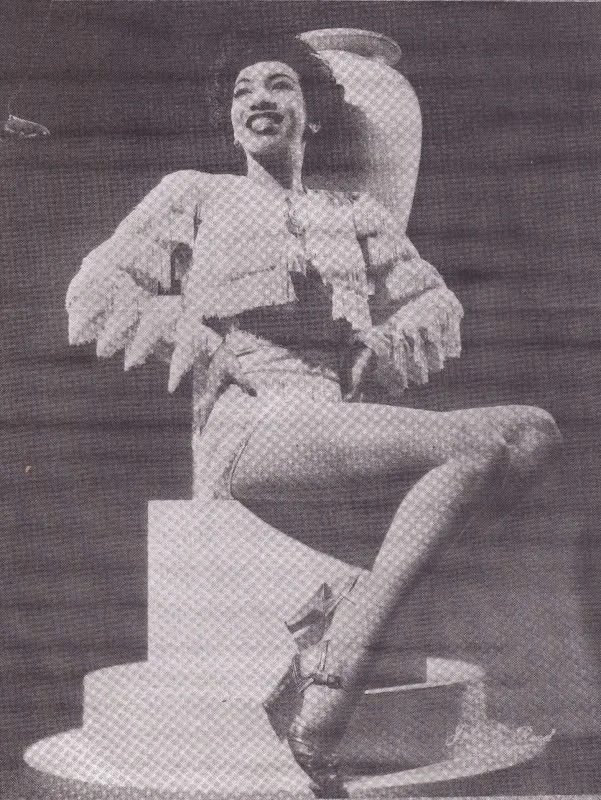
In this video, we’ll work on the first part of the classic Tranky Doo, one of the well-known solo jazz routines from the Lindy Hop tradition.
For this version, I’m particularly inspired by the 1946 short film Love in Syncopation, featuring Thomas “Tops” Lee and Wilda Crawford. Both were members of Whitey’s Lindy Hoppers.
Love in Syncopation clip is especially interesting because is considered the oldest known footage of the classic Tranky Doo.
And if you already know the Tranky Doo, definitely check this version out! There are some rhythm changes and ideas that you can play with and bring into your own dancing.
Focus: Tranky Doo · Rhythm · Individuality
Inspiration: Thomas “Tops” Lee & Wilda Crawford
Source: Love in Syncopation (1946)
Level: All levels
Watch the original clip:
https://www.youtube.com/watch?v=Cu9PusFHnHw